Bringing Authenticity to Your Brand with Bunglon Script
There is a specific challenge in modern design: how do you make a digital creation feel genuinely human? We are surrounded by clean, geometric sans serifs and rigid corporate layouts, which are functional but often lack warmth. If you are working on a project that requires a personal touch—something that feels handwritten, organic, and approachable—you need a typeface that bridges the gap between professional polish and casual authenticity. This is where Bunglon enters the conversation. It is not just a font; it is a modern calligraphy design that offers a fluid, casual beauty that static typefaces simply cannot replicate.
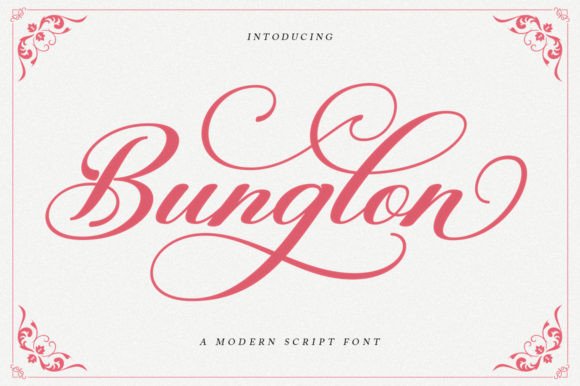
As a creative professional, I have seen trends come and go, but the demand for authentic script fonts remains constant. Bunglon stands out because it avoids the overly formal look of traditional calligraphy. Instead, it embraces a relaxed, flowing style that feels like it was written with a felt-tip pen or a soft brush. The personality of this typeface is undeniably friendly and artistic. It features distinct swashes and elegant loops that add movement to the text. Whether you are designing a logo for a boutique shop or crafting a heartfelt wedding invitation, the visual character of Bunglon instantly communicates care and creativity. It transforms standard text into a piece of art without sacrificing the legibility required for effective communication.
The Versatility of a Modern Script
One of the most common mistakes in typography is using a script font where it doesn't belong. However, Bunglon is surprisingly versatile due to its balanced weight and moderate contrast. It is a premium font that functions exceptionally well as a display font. You want to use it where it can breathe and be appreciated, rather than cramming it into dense paragraphs.
In the realm of packaging design, Bunglon is a game-changer. Imagine a line of artisanal coffee or handmade skincare products. Using a standard sans serif font might make the product look sterile. Applying Bunglon to the label creates an immediate association with craftsmanship. It tells the customer, "This was made with attention to detail." Similarly, in logo design, this script font works beautifully for brands that want to appear approachable and high-end simultaneously. It pairs exceptionally well with a clean, geometric serif font or a light sans serif for the supporting text, creating a strong visual hierarchy.
For those in the digital space, such as bloggers and social media managers, Bunglon offers a way to break the monotony of standard web typography. It is excellent for creating eye-catching social media graphics or stylized pull quotes on a website. However, a word of caution from a practical standpoint: while it is a creative font, avoid using it for long-form body copy. Script fonts are best reserved for headlines, sub-headers, and accents to maintain readability. When used correctly in editorial design, such as on book covers or magazine spreads, it adds a layer of sophistication and emotional resonance that grabs the reader's attention immediately.
Practical Workflow: Glyphs, Ligatures, and Pairings
Adopting a new typeface into your workflow should be seamless. A significant advantage of the Bunglon font is that it is PUA encoded. If you aren't a tech-savvy designer, this essentially means you don't need expensive, specialized software to access the fancy parts of the font. You can easily access all the alternate characters, swashes, and ligatures through standard applications like Canva, Adobe Illustrator, or even Microsoft Word. This accessibility makes it a powerful tool for small business owners and hobbyists who want professional results without a steep learning curve.
When integrating Bunglon into your brand identity, the "less is more" rule applies. Because the font has such a strong personality, pairing it with a neutral typeface is crucial. If you use a bold, decorative serif font alongside Bunglon, the design will likely look chaotic. Instead, try pairing it with a clean sans serif font like Montserrat or Lato for your body text. This contrast allows the swashes and curves of Bunglon to stand out as the focal point while the supporting text remains easy to read.
Before finalizing any project, take the time to test the font in different contexts. Check how it renders on mobile screens versus print. Look at the spacing between the letters—sometimes script fonts require a little kerning adjustment to look perfect. Because Bunglon is a modern typography asset, it handles scaling quite well, but always ensure that the text remains legible against your background. A high-contrast background usually works best to highlight the delicate details of the handwritten font style.
Licensing and Long-Term Value
For entrepreneurs and freelancers, understanding the licensing of your design assets is non-negotiable. Bunglon is a commercial font, meaning you are paying for the legal right to use it in projects that generate revenue. This is vital for professional integrity. When you purchase a license for a premium font, you are investing in quality and supporting the type designers who create these tools.
Think of font selection as an investment in your visual capital. A distinct typeface like Bunglon helps build brand recognition. When your audience sees that specific flow and style on your packaging, your Instagram posts, and your website headers, they begin to associate that visual language with your business. It creates a cohesive experience that feels intentional and professional.
Ultimately, choosing the right typeface comes down to alignment. Does the personality of the font match the personality of your project? If your goal is to evoke feelings of warmth, elegance, and creativity, then the Bunglon Script is likely the perfect fit. It provides the flexibility to be playful or sophisticated depending on the context, making it a valuable addition to any designer’s or creator’s toolkit. By leveraging its unique aesthetic and technical features, you can elevate your projects from generic to memorable.